Best LED Lighting Solutions for Energy Efficiency & Sustainability

The global shift toward energy efficiency and sustainability is no longer a trend but it is a necessity. As industries, governments and urban infrastructure move toward reducing energy consumption and carbon emissions, lighting has emerged as one of the most impactful areas for transformation. Today, advanced lighting solutions are not just about illumination but they are about optimizing energy usage, improving performance and supporting long-term environmental goals.
With rising electricity costs and increasing awareness around sustainable practices, businesses are actively investing in smarter technologies that deliver both efficiency and value. In this evolving landscape, led lighting solutions are becoming the preferred choice due to their ability to significantly reduce energy consumption while maintaining high-quality output. As a result, adopting the right solution for lighting is now a strategic decision that directly influences operational efficiency and sustainability outcomes.
The Growing Demand for Energy-Efficient Lighting Solutions
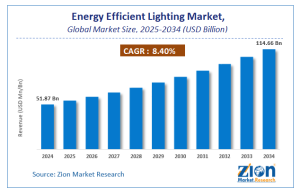
Source: https://www.zionmarketresearch.com/report/energy-efficient-lighting-market
Energy efficiency has become a critical factor in decision-making across industries, especially in sectors where lighting contributes significantly to overall energy consumption. Businesses are no longer evaluating lighting systems purely on upfront costs because they are focusing on long-term savings and environmental impact, making advanced lighting systems a central part of operational strategy. Traditional lighting systems often result in excessive energy usage and frequent maintenance, which increases overall costs over time. This has created a strong shift toward more efficient alternatives that can deliver consistent performance while reducing consumption.
Why Energy Efficiency Is Now a Business Priority
Organizations today are under constant pressure to reduce operational costs while meeting sustainability goals. Energy-efficient smart lighting systems help achieve both objectives by lowering electricity bills and minimizing environmental impact. In this context, led lighting solutions stand out as a reliable and scalable option, offering significantly better efficiency compared to conventional systems while ensuring long-term cost savings.
The Sustainability Advantage
Sustainability is no longer optional but instead it is a defining factor in how businesses operate and grow. Companies are actively integrating eco-friendly practices and adopting advanced lighting solutions is one of the most effective ways to reduce carbon footprint while maintaining operational efficiency.
Understanding the Evolution of LED Lighting Solutions
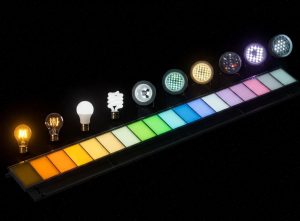
Lighting technology has undergone a significant transformation over the years, evolving from basic illumination systems to more advanced setups that focus on efficiency, control and adaptability. What was once considered a simple utility has now become a key component of energy management and sustainable infrastructure. As industry demands continue to shift, modern lighting systems are expected to deliver not just performance, but also long-term efficiency and smarter integration.
How LED Technology Improves Performance and Efficiency
Unlike traditional systems, LED lighting systems are designed to convert most of the energy into light rather than heat, which makes them significantly more efficient. This not only reduces energy consumption but also improves durability and lifespan. These systems require less maintenance, making them a cost-effective option for businesses looking to optimize long-term operations through better solutions for lighting systems.
Adaptability Across Different Applications
Modern solutions for lighting are no longer limited to a single use case. They are designed to be adaptable across multiple environments, including commercial spaces, industrial facilities, and urban infrastructure, where requirements can vary significantly in terms of scale, performance, and functionality. From enhancing customer experience in retail settings to ensuring efficiency and safety in industrial operations, lighting plays a critical role across applications.
This flexibility makes high-performance LED lighting a preferred choice for businesses looking to implement scalable and future-ready lighting systems, as it allows them to customize solutions based on specific operational needs while maintaining consistency in energy efficiency and performance across different environments.
Key Features That Define Modern Lighting Solutions
As expectations from lighting systems continue to evolve, businesses are looking for solutions that go beyond basic functionality. Today’s lighting solutions are expected to be intelligent, efficient and adaptable to different operational needs, aligning with both performance requirements and energy optimization goals. Instead of acting as standalone systems, modern lighting is increasingly integrated into broader infrastructure, supporting automation, data insights and smarter control, making it a critical component of overall operational efficiency.
Integration of Smart Controls and Automation
One of the most significant advancements in lighting technology is the integration of smart controls. These systems allow users to automate lighting based on occupancy, time, and environmental conditions, improving efficiency and convenience. Such features make advanced lighting systems more responsive and help businesses optimize energy usage without compromising performance.
Data-Driven Energy Optimization
Modern lighting systems are increasingly equipped with monitoring capabilities that provide insights into energy consumption patterns. This allows businesses to identify inefficiencies and make data-driven decisions. By leveraging these capabilities, organizations can maximize the benefits of LED lighting technologies while ensuring consistent energy savings over time.
The Challenge of Smart Lighting Integration in a Growing Market
While the availability of advanced lighting technologies has increased significantly, many businesses still face challenges when it comes to implementation. The gap between innovation and practical adoption remains a critical issue in the industry, as organizations often struggle to translate available technologies into real-world applications that deliver measurable results. This disconnect not only slows down adoption but also limits the overall impact of modern lighting systems on efficiency and sustainability goals.
Lack of Awareness and Technical Clarity
Many organizations are aware of advanced lighting solutions, but they often lack a clear understanding of how to implement them effectively within their existing systems and infrastructure. This uncertainty leads to hesitation in adoption, delays in decision-making and underutilization of available technologies, ultimately limiting the full range of efficiency, cost-saving and sustainability benefits that these solutions are designed to deliver.
Fragmented Ecosystem and Limited Collaboration
Another major challenge is the lack of a unified ecosystem where manufacturers, technology providers, and integrators can collaborate. Without proper coordination, implementing smart LED lighting systems becomes complex, slowing down the transition toward smarter and more efficient systems. This gap highlights the need for platforms that bring stakeholders together and enable better understanding, collaboration and adoption of advanced lighting technologies.
Applications of High-performance LED Lighting Across Industries
The adoption of modern lighting systems is expanding rapidly across industries, each with unique requirements and challenges that influence how lighting is implemented and optimized. From operational efficiency in industrial settings to aesthetic and experiential needs in commercial spaces, expectations vary significantly across sectors. Advanced lighting solutions are being tailored to meet these diverse needs effectively, allowing businesses to align performance, energy efficiency and functionality with their specific use cases.
Commercial and Retail Environments
In commercial spaces, lighting plays a crucial role in enhancing customer experience and influencing behavior. Well-designed lighting solutions can improve ambiance, highlight products and reduce energy costs simultaneously.
Industrial and Infrastructure Use
Industrial environments require durable and efficient systems that can operate under demanding conditions. Smart LED lighting systems provide reliability, longevity and cost-effectiveness, making them ideal for such applications.
Smart Cities and Urban Development
As cities adopt digital infrastructure, lighting is becoming a key component of smart ecosystems. Intelligent lighting solutions contribute to energy efficiency, safety and better urban management.
Where Industry Meets Innovation and Practical Solutions
As the lighting industry continues to evolve, businesses need access to platforms where they can explore innovations, understand technologies and connect with the right stakeholders. This is where industry-focused exhibitions play a critical role.
In 2026, the 3rd edition of Canada Light Expo 2026 will bring together manufacturers, designers, engineers and decision-makers to showcase the latest advancements in lighting solutions and smart technologies. Scheduled for 18–19 November 2026 at the International Centre, Toronto, Canada, the platform will provide an opportunity to explore innovations in LED-based lighting systems, understand real-world applications and engage in meaningful discussions around energy efficiency and sustainability.
The Future of Lighting Solutions
The future of the lighting industry lies in intelligent systems, seamless integration and sustainable design. As technology continues to advance, lighting solutions will become more adaptive, efficient and interconnected with other systems.
The integration of IoT and automation will further enhance the capabilities of lighting systems, allowing businesses to optimize energy usage and improve operational efficiency. At the same time, led lighting solutions will continue to dominate due to their proven advantages in performance and sustainability. Businesses that invest in advanced lighting solutions today will be better positioned to meet future demands, reduce costs and contribute to a more sustainable environment.
More News

Human-Centric Lighting: Designing Spaces Around Health and Well-Being
Lighting has always been essential to how we see and use a space. But today, its role is moving beyond visibility and…View More
Architectural Lighting Trends Transforming Modern Buildings
Buildings are not just about how they're built or what they are made of anymore. Lighting is a part of how a…View More
Landscape Lighting Ideas for Outdoor Spaces (2026)
Outdoor spaces are no longer viewed simply as extensions of a property, they have become an integral part of modern architecture and…View More
Energy Efficient Lighting Solutions for Modern Businesses
In today's competitive business landscape, organizations are constantly seeking ways to reduce operational costs, improve sustainability, and foster productive work environments. Among…View More

Canada Lighting Industry: Trends, Growth & Future Outlook 2026
The Canada lighting industry is entering a transformative phase driven by sustainability goals, smart infrastructure development, energy-efficiency regulations, and increasing demand for…View More

