Energy Efficient Lighting Solutions for Modern Businesses
In today’s competitive business landscape, organizations are constantly seeking ways to reduce operational costs, improve sustainability, and foster productive work environments. Among the most impactful yet often overlooked areas of optimization is lighting. As businesses strive to balance profitability with environmental responsibility, Energy Efficient Lighting has emerged as a strategic investment rather than just a utility upgrade.
From commercial offices and manufacturing facilities to retail stores and healthcare institutions, lighting plays a critical role in daily operations. However, traditional lighting systems consume substantial amounts of electricity, require frequent maintenance, and contribute significantly to overall energy expenses. Modern organizations are increasingly turning to advanced lighting solutions that deliver superior performance while reducing energy consumption.
This shift is being driven by innovations in energy efficient lighting technology, enabling businesses to achieve measurable savings, enhance workplace experiences, and support long-term sustainability goals.
Why Lighting Efficiency Matters in Modern Business
Lighting accounts for a considerable share of electricity consumption in commercial buildings. Inefficient systems not only increase operational costs but also place additional pressure on energy infrastructure and sustainability initiatives.
Modern businesses are expected to operate responsibly while maintaining high levels of efficiency. Investors, customers, employees, and regulatory bodies increasingly evaluate organizations based on their environmental performance. Implementing advanced lighting solutionshttps://unfccc.int/technology/energy-efficient-and-smart-lighting-systems allows companies to address multiple objectives simultaneously, including cost reduction, carbon footprint management, and workplace optimization.
Unlike many infrastructure upgrades that require lengthy implementation timelines, lighting modernization often delivers immediate and visible results. Businesses can experience reduced utility bills, lower maintenance requirements, and improved lighting quality within a relatively short period.
The Evolution of Commercial Lighting

Commercial lighting has undergone a significant transformation over the past decade. Traditional incandescent, halogen, and fluorescent systems are gradually being replaced by intelligent, high-performance alternatives.
The emergence of next-generation lighting systems has revolutionized how organizations illuminate their facilities. Today’s lighting solutions are designed to maximize output while minimizing energy usage, providing greater flexibility and control than ever before.
Advanced systems can automatically adjust brightness levels based on occupancy, natural daylight availability, and operational requirements. These capabilities enable businesses to optimize energy consumption without compromising visibility or employee comfort.
As lighting systems become increasingly connected, they are also becoming valuable components of smart building ecosystems, supporting broader energy management strategies.
Key Benefits of Energy Efficient Lighting for Businesses
Reduced Operating Costs

One of the primary reasons organizations invest in upgraded lighting infrastructure is the potential for substantial cost savings. Modern lighting systems consume significantly less electricity than conventional alternatives while delivering equal or superior illumination.
For businesses operating large facilities, warehouses, production plants, or office complexes, even modest improvements in lighting efficiency can generate significant annual savings. Lower energy consumption translates directly into reduced utility expenses, helping organizations improve profitability and allocate resources more effectively.
Lower Maintenance Requirements
Modern lighting systems are engineered for longevity. Many advanced fixtures have operational lifespans that far exceed those of traditional lighting products. By adopting advanced lighting solutions, businesses can reduce replacement frequency, minimize downtime, and lower maintenance costs. This is particularly valuable in facilities where fixture replacement involves specialized equipment, labor, or operational disruptions.
Enhanced Workplace Productivity
Lighting directly influences concentration, employee performance, & well-being. Poor lighting can contribute to eye strain, fatigue, and reduced productivity.
Advanced Lighting systems enable organizations to create more comfortable and productive environments by delivering consistent illumination, improved color rendering, and reduced glare. These improvements can positively impact employee satisfaction and workplace efficiency.
Sustainability and Environmental Responsibility
Sustainability has become a core business priority across industries. Companies are increasingly expected to demonstrate meaningful action toward reducing environmental impact.
Implementing a lighting optimization strategy supports sustainability initiatives by reducing electricity consumption and lowering greenhouse gas emissions associated with energy production. For organizations pursuing environmental certifications or ESG objectives, lighting modernization can be a valuable component of broader sustainability strategies.
Popular Energy-Efficient Lighting Solutions
LED Lighting Systems
LED technology has become the benchmark for commercial lighting efficiency. LEDs consume significantly less energy than traditional lighting sources while providing excellent illumination quality and long operational life.
Many organizations view LED adoption as the foundation of a comprehensive Advanced lighting strategy. The technology is suitable for offices, industrial facilities, retail environments, educational institutions, and public infrastructure.
Smart Lighting Controls
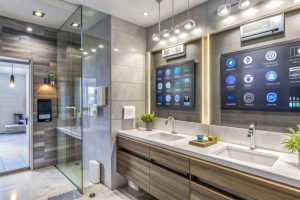
Intelligent lighting controls represent one of the most significant advancements. These systems use automation, data-driven controls & sensors, and sensors to optimize lighting performance.
Common features include:
- Occupancy sensing
- Motion detection
- Daylight harvesting
- Automated scheduling
- Remote monitoring
- Zone-based lighting management
By ensuring lights operate only when and where needed, businesses can further reduce energy consumption while maintaining operational effectiveness.
Human-Centric Lighting

Modern workplaces increasingly recognize the relationship between lighting and employee wellness. Human-centric lighting systems are designed to support natural biological rhythms through dynamic adjustments in brightness and color temperature.
Human-centric solutions offer businesses an opportunity to enhance employee comfort while maintaining high levels of efficiency.
Integrated Building Management Systems
Many organizations are integrating lighting into broader building management platforms. These systems allow centralized monitoring and control of lighting, HVAC, security, and other facility functions. Through integration, businesses can gain deeper insights into energy usage patterns and identify opportunities for continuous optimization.
Industry Applications
Commercial Offices
Office environments require lighting solutions that support collaboration, employee well-bein & productivity.. Smart controls can automatically adjust lighting based on occupancy patterns, meeting room usage, and available daylight, ensuring resources are used efficiently.
Retail and Commercial Spaces
Retail businesses depend heavily on lighting to influence customer experience and product presentation. Modern solutions allow retailers to highlight merchandise effectively while controlling energy expenses. By leveraging energy efficient lighting technology, retailers can achieve both visual impact and operational efficiency.
Manufacturing and Industrial Facilities
Industrial environments often operate for extended hours and require consistent illumination for safety and productivity. Lighting upgrades can significantly reduce electricity consumption in large facilities. Modern solutions provide high-performance illumination capable of meeting demanding industrial requirements while lowering long-term operating costs.
Healthcare Facilities
Healthcare environments require reliable, high-quality lighting that supports patient care and staff performance. Energy-efficient systems help healthcare organizations improve facility performance while managing operating budgets more effectively.
Educational Institutions
Schools, colleges, and universities are increasingly adopting efficient lighting solutions to reduce operational expenses and create better learning environments. Intelligent controls further enhance energy savings by adapting to changing occupancy patterns throughout the day.
Evaluating Lighting Investments
Before implementing new lighting systems, businesses should conduct a comprehensive assessment of their existing infrastructure.
Key considerations include:
- Current energy consumption
- Facility operating hours
- Maintenance costs
- Occupancy patterns
- Lighting quality requirements
- Sustainability objectives
- Return on investment expectations
A detailed evaluation helps organizations identify the most suitable Energy Efficient Lighting Technology for their specific operational needs. Many businesses find that lighting modernization delivers attractive returns through a combination of energy savings, maintenance reductions, and productivity improvements.
The Future of Business Lighting
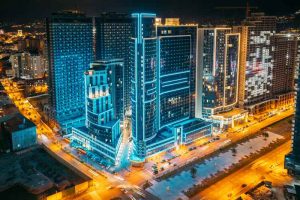
The future of commercial lighting extends beyond illumination. As digital transformation accelerates, lighting systems are becoming intelligent assets capable of supporting data collection, automation, and smart building initiatives.
Advancements in energy efficient lighting technology continue to unlock new possibilities, including AI-driven controls, predictive maintenance, and enhanced integration with building management platforms.
Organizations that invest in modern lighting infrastructure today are positioning themselves to benefit from future innovations while achieving immediate operational advantages.
Conclusion
As businesses face increasing pressure to reduce costs, improve sustainability, and enhance workplace performance, lighting has become a strategic area of investment. Modern solutions offer a practical pathway to achieving these objectives while delivering measurable business value.
From LED systems and intelligent controls to integrated building management platforms, the latest advancements in energy efficient lighting technology are transforming how organizations manage their facilities. Companies that embrace these innovations can reduce operational expenses, strengthen sustainability efforts, and create environments that support productivity and growth.
To stay ahead of the latest innovations in energy-efficient lighting, smart building technologies, and sustainable commercial lighting solutions, industry professionals can explore Canada Light Expo—Canada’s premier B2B exhibition for the lighting industry. The event brings together leading manufacturers, technology providers, designers, consultants, architects, distributors, and buyers to showcase cutting-edge LED products, smart lighting systems, controls, and energy-efficient solutions. Whether you’re planning your next lighting upgrade or looking to discover emerging trends, Canada Light Expo offers valuable networking opportunities and access to the latest advancements shaping the future of commercial and architectural lighting.
More News

Human-Centric Lighting: Designing Spaces Around Health and Well-Being
Lighting has always been essential to how we see and use a space. But today, its role is moving beyond visibility and…View More
Architectural Lighting Trends Transforming Modern Buildings
Buildings are not just about how they're built or what they are made of anymore. Lighting is a part of how a…View More

Landscape Lighting Ideas for Outdoor Spaces (2026)
Outdoor spaces are no longer viewed simply as extensions of a property, they have become an integral part of modern architecture and…View More

Canada Lighting Industry: Trends, Growth & Future Outlook 2026
The Canada lighting industry is entering a transformative phase driven by sustainability goals, smart infrastructure development, energy-efficiency regulations, and increasing demand for…View More

Best LED Lighting Solutions for Energy Efficiency & Sustainability
The global shift toward energy efficiency and sustainability is no longer a trend but it is a necessity. As industries, governments and…View More

