
Architectural Lighting Trends Transforming Modern Buildings
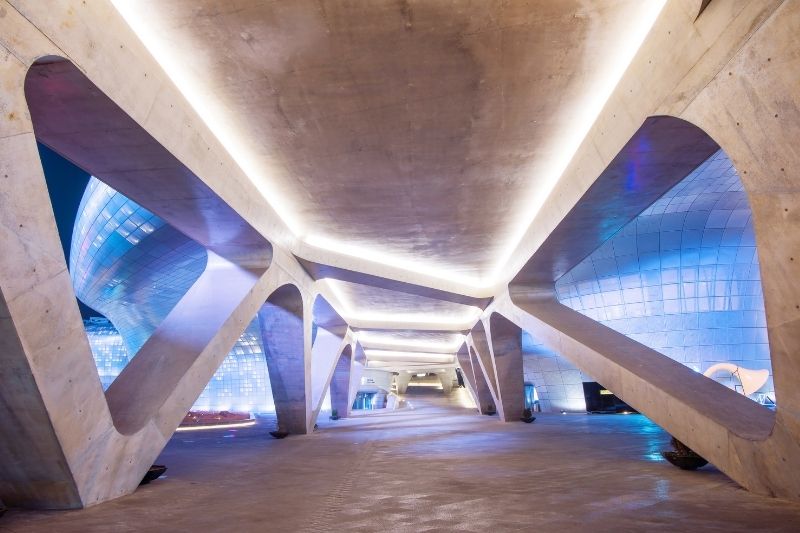
Buildings are not just about how they’re built or what they are made of anymore. Lighting is a part of how a building works, and it makes people feel. This is true for offices, hotels, stores, hospitals, homes, and public buildings. The way a building is lit can affect how comfortable it is to be in, how much energy it uses, and what people think of the space.
This is why Architectural Lighting is becoming more important. It is not something you think about at the end of the design process. Architects, lighting designers, and building owners have control over how buildings work because of new technology, like LEDs and special systems.
For people who work with buildings, it is really important to know about these changes. There are some trends that are changing how buildings are designed, built, and used.
Human Centric Lighting Moves Beyond Illumination
One of the most significant shifts is the move towards lighting designed around human experience. Instead of focusing exclusively on brightness and visibility, designers are considering how light interacts with occupants throughout the day.
Human centric approaches can use variations in intensity, colour temperature, distribution, and timing to create environments that feel appropriate for different activities and periods of the day. This is particularly relevant in offices, healthcare facilities, hospitality spaces, educational institutions, and other environments where occupants spend extended periods indoors.
For specifiers, this means evaluating lighting solutions not only by lumen output, but also by visual comfort, glare control, colour quality, controllability, and the relationship between artificial and natural light. The result is a broader understanding of Architectural Lighting, one that considers the occupant as an essential part of the lighting equation.
Smart Controls Have Become Part of the Specification
Lighting controls are moving from optional enhancements to increasingly important components of building design. Occupancy sensors, daylight harvesting, programmable scenes, wireless controls, and connected management platforms allow lighting systems to respond dynamically to changing conditions.
For example, a conference room may require a different lighting scene during a presentation than during collaborative work. In commercial buildings, occupancy based controls can adjust lighting according to actual usage rather than fixed schedules. Daylight responsive systems can also reduce unnecessary artificial illumination when sufficient natural light is available.
For building owners and facility managers, this introduces an important commercial advantage: better operational visibility and greater control over energy consumption.
The integration of lighting with broader building management systems is also creating opportunities for interoperability. As connected infrastructure becomes more common, lighting can contribute to a building’s wider digital ecosystem rather than operating as an isolated system.
Energy Efficiency Is Being Reframed Around Performance
Energy efficiency is still a focus, but the discussion is getting more advanced now. Just swapping lights for LEDs is not the only way to be green anymore. New projects are looking at all parts of a lighting system, like how well it works & is controlled, how much it needs fixing.
This is changing the way products are checked before they are chosen. Designers and experts are paying attention to the total cost over time. An efficient system with smart controls and less need for fixing can be better for money in the long run than a cheaper option that is not as easy to change.
Architectural Integration Is Making Lighting Less Visible
Another defining trend is the joining of lighting with architecture. Instead of looking at lights as separate things, people who design spaces are adding light into ceilings, walls, outside parts of buildings, stairs, corners, rails, and other parts of the design.
Linear lighting is very important in this area. It can be shaped in ways that help designers make long lines, hidden light, shapes, & exact visual highlights while keeping the look of the building simple.
This way of thinking is changing how lights and the building itself are connected. In high end projects, the goal is not to have the light stand out. Instead, the building itself is the thing people see, and the lighting gently shows off the size, surfaces and how spaces connect.
For the companies that make and sell these things, this means there are chances to make products that can be changed and used in ways to fit exactly how they need to be added, put in place, and work well.
Dynamic Lighting Add Movement to Static Spaces
Buildings are usually fixed places. Lighting can add a moving part. Systems that can be adjusted and controlled programs allow the warmth, brightness, and lighting settings to change based on the time, what people are doing, special events, or the weather outside.
In places like hotels and stores, changing lights can help set moods during the day. In offices, it can help show where people work together and focus on their tasks. In places that are open to the public and on the outside of buildings, settings that can be programmed can make the look of the place stand out.
This does not mean that every building needs changes in color. The bigger change is the ability to make places that can change without changing the building. This kind of flexibility is becoming more important as buildings need to handle different uses over long periods of time.
Sustainability Expand Beyond Energy Consumption
Sustainable lighting is something that people are thinking about in a way. They are looking at how it affects the environment. Using energy is still important, but people also care about how long the products last, how easy they are to maintain, what materials are used, and if they can be replaced or recycled. They also want to know if the products were made in a way.
Lighting systems that can be fixed, updated, or changed rather than thrown away can last longer. This is good because it saves money and helps the environment. If we use parts that can be easily swapped out, it is easier to make changes when we need to.
This affects everyone involved in making and buying lighting systems. Architects and consultants need to know what they are getting; manufacturers need to be honest about what their products can do, and developers need to find solutions that meet the standards for being sustainable.
So the future of architectural lighting is not about using less energy but also about designing systems that will still be useful, easy to maintain, and adaptable over time. Sustainable lighting is the key to this. It is something that people will be thinking about more and more. Architectural lighting needs to be sustainable. That means it needs to be designed with the environment in mind.
Customization: Expand the Design Vocabulary
The increasing availability of configurable lighting technologies is giving designers more freedom. Custom lengths, profiles, optics, mounting systems, finishes, beam distributions, and control options allow lighting solutions to fit accurately with architectural needs.
This is especially important in high end commercial, hospitality, and cultural projects where standard solutions might not fully match the design vision.
For manufacturers, customization also offers a chance to stand out. The ability to work with designers and project teams from the beginning to the end of the process can be an advantage, in a market where performance and design are becoming more connected.
The Future Is Integrated & Intelligent
The way modern buildings are built is changing. Architects want systems that go well with the design they have in mind. Consultants want results they can measure. Developers want value over time. Facility managers want control over how things work. People who use the buildings want spaces that’re comfortable and can change as needed.
For the lighting industry this is a chance. The talk is moving past lights and how bright they are and going toward systems that help the whole building work better and have a clear identity. As these trends continue to reshape the built environment, Canada Light Expo 2026 will bring together the technologies, solutions, and industry expertise shaping the next generation of lighting.
More News
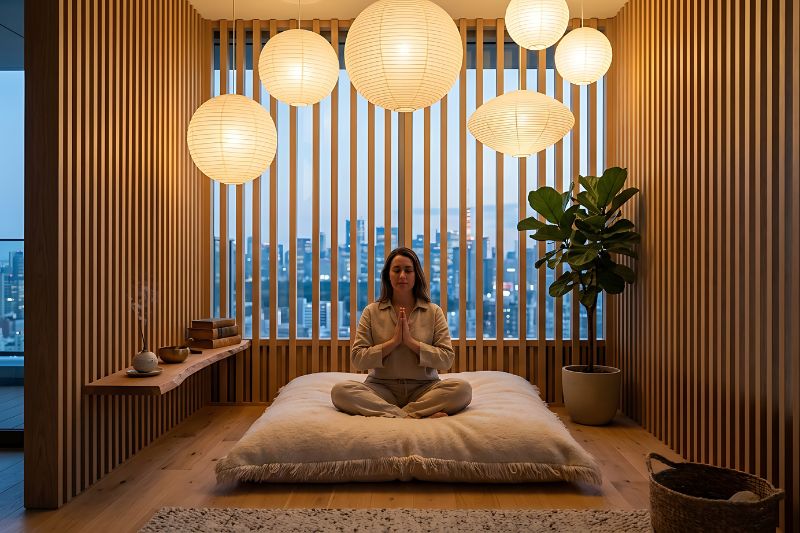
Human-Centric Lighting: Designing Spaces Around Health and Well-Being
Lighting has always been essential to how we see and use a space. But today, its role is moving beyond visibility and…View More
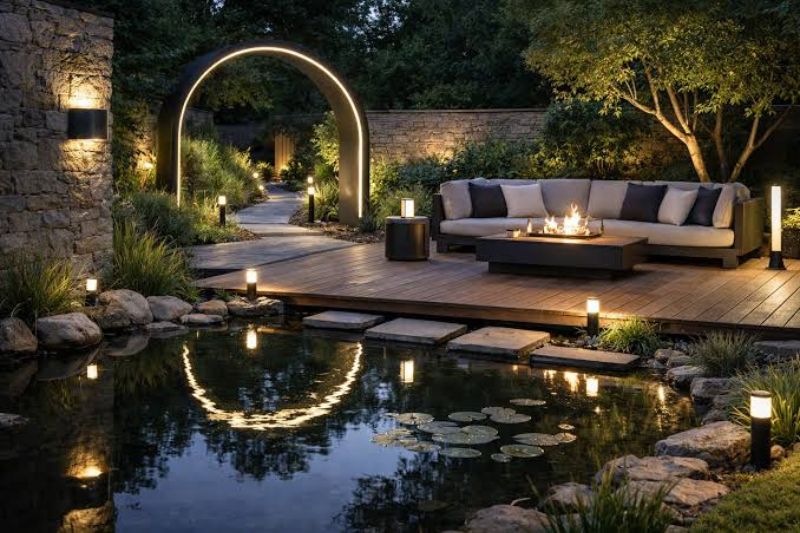
Landscape Lighting Ideas for Outdoor Spaces (2026)
Outdoor spaces are no longer viewed simply as extensions of a property, they have become an integral part of modern architecture and…View More
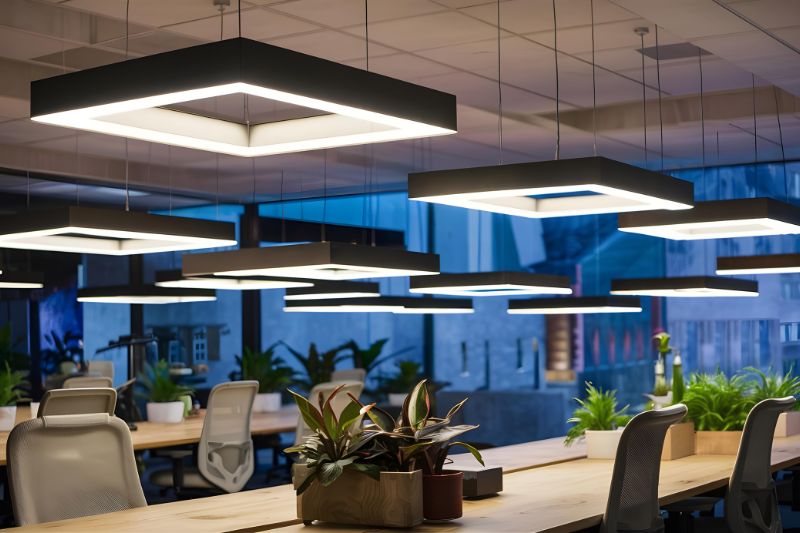
Energy Efficient Lighting Solutions for Modern Businesses
In today's competitive business landscape, organizations are constantly seeking ways to reduce operational costs, improve sustainability, and foster productive work environments. Among…View More
Canada Lighting Industry: Trends, Growth & Future Outlook 2026
The Canada lighting industry is entering a transformative phase driven by sustainability goals, smart infrastructure development, energy-efficiency regulations, and increasing demand for…View More

Best LED Lighting Solutions for Energy Efficiency & Sustainability
The global shift toward energy efficiency and sustainability is no longer a trend but it is a necessity. As industries, governments and…View More

