
Smart Lighting & LED Solutions Show | Canada Light Expo

The lighting industry is undergoing a significant transformation as cities, buildings and infrastructure increasingly adopt connected technologies. Smart lighting has moved beyond simple illumination and is now becoming a key component of energy efficiency, automation and intelligent building systems. Across Canada, architects, consultants, municipalities and developers are looking for lighting solutions that combine performance, sustainability and digital integration.
At the same time, suppliers are facing a constantly evolving marketplace where technological innovation and strong industry relationships determine success. Businesses offering LED solutions and connected lighting systems must explore a market that is highly influenced by specification, build trust with decision-makers and demonstrate how their technologies support modern infrastructure. Understanding these challenges is essential for companies operating in the lighting sector. As the industry evolves, the future of digital lighting in Canada will depend on how effectively manufacturers, suppliers and technology providers collaborate to deliver integrated and future-ready lighting systems.
Why the Lighting Industry in Canada Is Rapidly Evolving
The lighting ecosystem in Canada is expanding beyond traditional lighting products. Today’s buildings, commercial spaces and public infrastructure require intelligent lighting systems that integrate seamlessly with digital technologies. This shift is being driven by several factors. Governments and municipalities are investing heavily in smart city initiatives, businesses are prioritizing energy efficiency and developers are incorporating advanced automation into modern building designs. As a result, advanced lighting systems are increasingly expected to support remote monitoring, adaptive lighting control and data-driven energy management.
Alongside this transformation, LED lighting technology is becoming the backbone of modern lighting infrastructure. LEDs provide better efficiency, longer lifespan and greater design flexibility compared to conventional lighting technologies. However, despite these advancements, companies operating in the lighting sector must still overcome industry-specific challenges that influence how technologies are adopted and specified in projects.
Smart Lighting Adoption in Canada’s Specification-Driven Market
One of the defining characteristics of the Canadian lighting industry is that purchasing decisions are rarely made directly by end users. Instead, the tech-enabled lighting products used in large projects are typically determined during the design and specification stage.
Architects and Consultants Influence Lighting Decisions
Lighting choices in commercial buildings, infrastructure projects and large facilities are heavily influenced by architects, lighting designers, electrical engineers and consultants. These professionals play a critical role in specifying which technologies will be used in construction projects. For companies offering LED solutions, gaining visibility among these specifiers is essential. If a product is not included in the project specification during the planning phase, it often cannot be considered during procurement. This makes it important for lighting brands to engage with professionals involved in the design and planning stages of projects.
Technical Demonstration Builds Confidence
Advanced lighting technologies often involve complex integrations such as sensors, IoT connectivity and automated controls; people who make important decisions need opportunities to evaluate these systems in real-world scenarios. Demonstrating how lighting systems interact with building management platforms or smart city infrastructure can help specifiers understand the long-term benefits of advanced lighting technologies. For suppliers offering LED lighting innovation, showcasing product performance, system compatibility and energy efficiency becomes a crucial part of influencing design decisions.
Competition and Brand Trust in the Lighting Market
The Canadian lighting industry is highly competitive, with both domestic and international brands competing for market share. Established companies often benefit from existing distribution networks and long-standing industry relationships.
Established Brands Often Dominate Buyer Preferences
Many buyers in the lighting sector prefer to work with familiar brands that have proven track records. In some cases, businesses can default to suppliers they have previously worked with, especially when dealing with large infrastructure or commercial projects. For emerging companies offering automated lighting technologies, gaining trust in such an environment can be challenging. Without strong brand recognition or local partnerships, it can be difficult for new entrants to compete with established suppliers.
Relationship Building Is Essential | Smart Lighting
The lighting market in Canada is strongly relationship-driven. Business partnerships, specification approvals and distribution agreements often develop through direct interaction and professional networking. Companies providing LED lighting solutions must therefore focus on building long-term relationships with contractors, designers and consultants. These connections can open doors to future projects and help brands establish credibility in the marketplace.
Trust and technical expertise play an important role in influencing how smart lighting systems are evaluated and adopted.
The Growing Role of Advanced Smart Lighting in Modern Infrastructure
As cities and buildings become more technologically advanced, lighting systems are evolving into intelligent networks capable of supporting broader infrastructure goals.
Smart Cities Are Driving Smart Lighting Innovation
Urban development initiatives across Canada are encouraging municipalities to adopt digital infrastructure solutions. In these environments, smart lighting plays a critical role in enabling adaptive street lighting, environmental monitoring and energy optimization. Lighting systems integrated with IoT platforms can adjust brightness based on traffic patterns, weather conditions or time of day. These capabilities allow cities to reduce energy consumption while improving public safety and operational efficiency. For companies offering LED lighting technology, smart city initiatives represent a major opportunity to deliver advanced technologies that support connected urban environments.
Integration With Building Management Systems
Another important trend shaping the lighting industry is the integration of lighting systems with broader building management technologies. Modern commercial buildings often use centralized platforms to monitor and control energy usage, climate systems, and lighting infrastructure. Digital lighting solutions that integrate with these systems allow facility managers to manage building operations more efficiently.
These integrations also enable automated lighting schedules, occupancy-based adjustments, and remote monitoring of lighting performance. For businesses involved in LED solutions, compatibility with smart building technologies is becoming an increasingly important requirement.
Industry Insights: Collaboration Across the Lighting Ecosystem
The future of lighting innovation depends on collaboration between multiple industry stakeholders. Manufacturers, integrators, designers and municipal planners all play a role in shaping how lighting technologies are implemented. In the evolving smart lighting ecosystem, collaboration is essential for developing integrated solutions that meet modern infrastructure needs. Technology providers must work closely with architects, consultants and system integrators to ensure their products align with project requirements.
At the same time, the growing adoption of LED illumination products continues to drive research and development in energy efficiency, intelligent controls and sustainable lighting practices. These developments highlight the importance of industry platforms where professionals can explore emerging technologies, exchange knowledge and evaluate innovative solutions.
Where the Industry Explores Smart Lighting Innovations
As the lighting industry continues to evolve, businesses need opportunities to connect with decision-makers, demonstrate technologies and explore new partnerships within the smart illumination ecosystem. Industry exhibitions and technology platforms provide valuable environments where lighting manufacturers, system integrators, consultants and contractors can interact directly. These spaces allow professionals to evaluate new products, understand emerging lighting technologies and discuss practical applications for different sectors.
One such platform is Canada Light Expo, where stakeholders from across the lighting ecosystem come together to explore advanced lighting technologies and innovative LED lighting innovation. By bringing together technology providers, consultants and buyers, such platforms help facilitate discussions around next-generation lighting systems and industry trends.
These collaborative environments allow professionals to understand how smart lighting technologies are shaping modern infrastructure and how they can be integrated into future projects.
The Future of Automated Lighting in Canada
The lighting industry in Canada is moving toward a future where technology, efficiency and connectivity play a central role in infrastructure development. Smart lighting systems are becoming essential components of modern buildings, urban environments and industrial facilities. As demand for energy-efficient and intelligent lighting systems continues to grow, businesses offering LED solutions will need to focus on innovation, collaboration and strong industry relationships.
Companies that stay informed about technological developments and engage with industry stakeholders will be better positioned to succeed in the evolving smart lighting market. With continued investment in smart cities, sustainable infrastructure and connected building technologies, the role of smart lighting in shaping Canada’s built environment will only become more significant in the years ahead.
More News
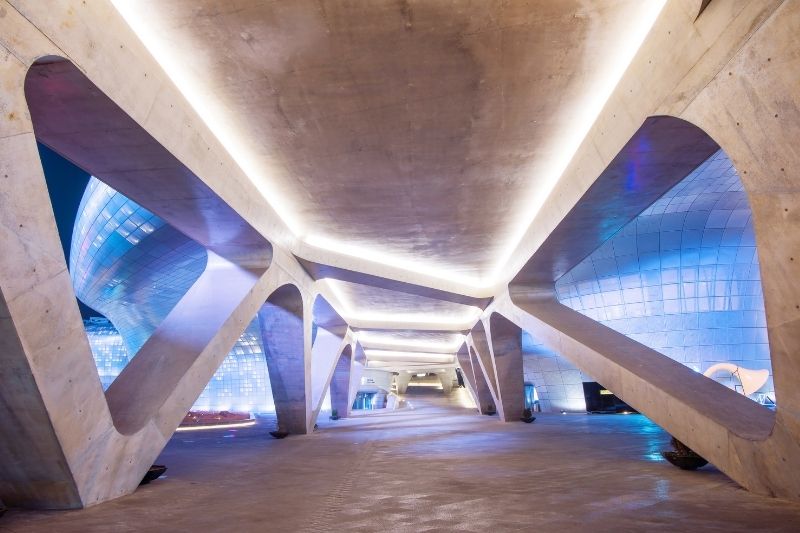
Architectural Lighting Trends Transforming Modern Buildings
Buildings are not just about how they're built or what they are made of anymore. Lighting is a part of how a…View More

Landscape Lighting Ideas for Outdoor Spaces (2026)
Outdoor spaces are no longer viewed simply as extensions of a property, they have become an integral part of modern architecture and…View More
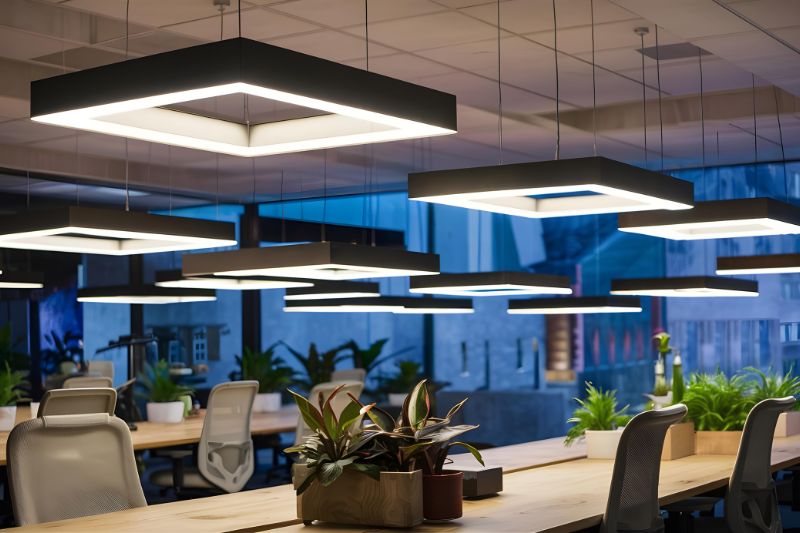
Energy Efficient Lighting Solutions for Modern Businesses
In today's competitive business landscape, organizations are constantly seeking ways to reduce operational costs, improve sustainability, and foster productive work environments. Among…View More

Canada Lighting Industry: Trends, Growth & Future Outlook 2026
The Canada lighting industry is entering a transformative phase driven by sustainability goals, smart infrastructure development, energy-efficiency regulations, and increasing demand for…View More

Best LED Lighting Solutions for Energy Efficiency & Sustainability
The global shift toward energy efficiency and sustainability is no longer a trend but it is a necessity. As industries, governments and…View More

